2026-09-18 · next
Venus at peak evening brilliance
Low in the west after sunset. First quarter Moon the same night. NASA / JPL What’s Up.
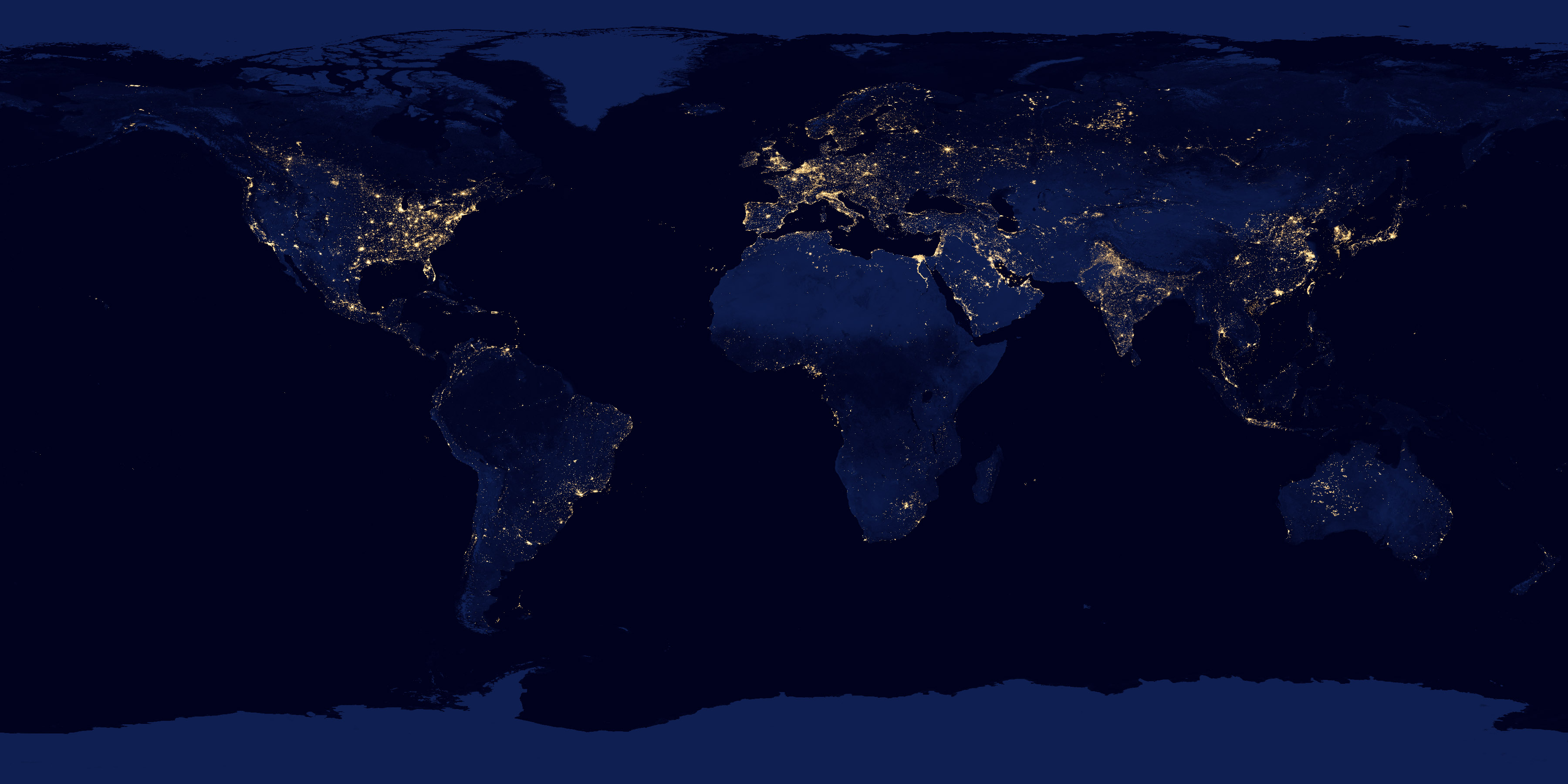
Live satellites · the sky that is ours
Official live cameras from the International Space Station, and full-disk weather pictures from NOAA. These are working machines. They are not unidentified. They are on this desk so a light in the archive can be held next to the known sky.
This month · the known sky
NASA / JPL What’s Up, September 2026. The station’s live cameras sit on Orbit. Times for a pass over your town are NASA’s, not ours.
2026-09-18 · next
Low in the west after sunset. First quarter Moon the same night. NASA / JPL What’s Up.
2026-09-22 · next
Fall in the north, spring in the south. Day and night share the clock, once.
2026-09-26 · next
Full Moon rises near Saturn. Neptune is in the same wide triangle — binoculars. Saturn is naked-eye.
Whenever it passes
A bright, steady moving star. NASA publishes times for your town. Live cameras sit on Orbit.
2026-09-10 · passed
Dark skies. The Teapot and the Milky Way’s center are easier in the south after dusk.
2026-09-14 · passed
14–20 September. Use the Moon as a pointer. Dark sites may show the galaxy’s center.
Live from orbit
NASA’s own downlink. Blue screens are handovers between satellites, or night over the cameras — not a missing object.
ISS — Earth-facing camera
NASA / International Space Station. Official live stream.
When the station is in darkness, or between satellites, NASA shows a blue screen. That is a gap in the downlink — not a craft.
NASA live · on Night Ledger
ISS — crew and interior
NASA / International Space Station. Official live stream.
About 425 km up. Occupied since November 2000. A laboratory, not an unidentified object. Spot-the-station times are public.
NASA live · on Night Ledger
Earth and Sun
Geostationary disks from NOAA, and the Sun from NASA’s Solar Dynamics Observatory. Stills refresh about every five minutes.

GOES East — full disk
NOAA / NESDIS. Geostationary Operational Environmental Satellite.
Weather satellite over the Americas. Refreshes on this desk about every five minutes.
Live still · refreshes

GOES West — full disk
NOAA / NESDIS. Geostationary Operational Environmental Satellite.
Pacific and western North America. Same family as GOES East. Ours.
Live still · refreshes

SDO — the Sun in extreme ultraviolet
NASA Solar Dynamics Observatory.
A spacecraft watching the star we already have. Flares and loops are solar weather, not a visitation.
Live still · refreshes
Lights that are ours
A bright, steady moving star that takes a few minutes to cross the sky. No strobe. NASA publishes when it will pass your town. Crew of several people. Not unidentified.
A line of equally spaced lights after a launch, fading as the satellites raise orbit. The most common “string of orbs” in current reports. SpaceX publishes launch times. The train is a satellite deployment, not a formation of craft.
Thousands of working satellites: weather, navigation, comms, science. They do not hover over a backyard. They do appear as slow points in long-exposure photographs and as flares when a panel catches the Sun.
Telescopes we sent. They look outward. They have not returned a photograph of an alien spacecraft. They have returned galaxies, nebulae, and atmospheres of other worlds — chemistry, not occupants.
NASA publishes when the station will pass your town. Spot the Station. The archive is for what is still unnamed.